Monday
Nov262018

Wellness Support Fund

Wellness Support Fund
SAVMA's Wellness Committee

The SAVMA Wellness Committee is offering funding to veterinary students and veterinary school organizations that wish to promote physical, mental, and emotional health at their college of veterinary medicine.

In light of the growing body of evidence indicating high levels of stress, anxiety, and depression in the veterinary profession, the committee recognizes that there is a considerable need to transform the culture of veterinary schools into one that is safe, promotes self-awareness, and encourages healthy living habits.  The SAVMA will award up to $2,500.00USD each cycle to student applicants demonstrating the need for assistance with a project, lecture, or event(s) that will foster physical or mental wellness in their respective college, on an as needed basis.

Apply here today! Must be a SAVMA member to apply. The committee will accept applications until December 31, 2018 Applicants may apply either to be reimbursed for a project retroactively or proactively. Fill out completed application form and send additional required materials (receipts, itineraries, etc.) to savmawellness@gmail.com.

Friday
Nov232018

Jet

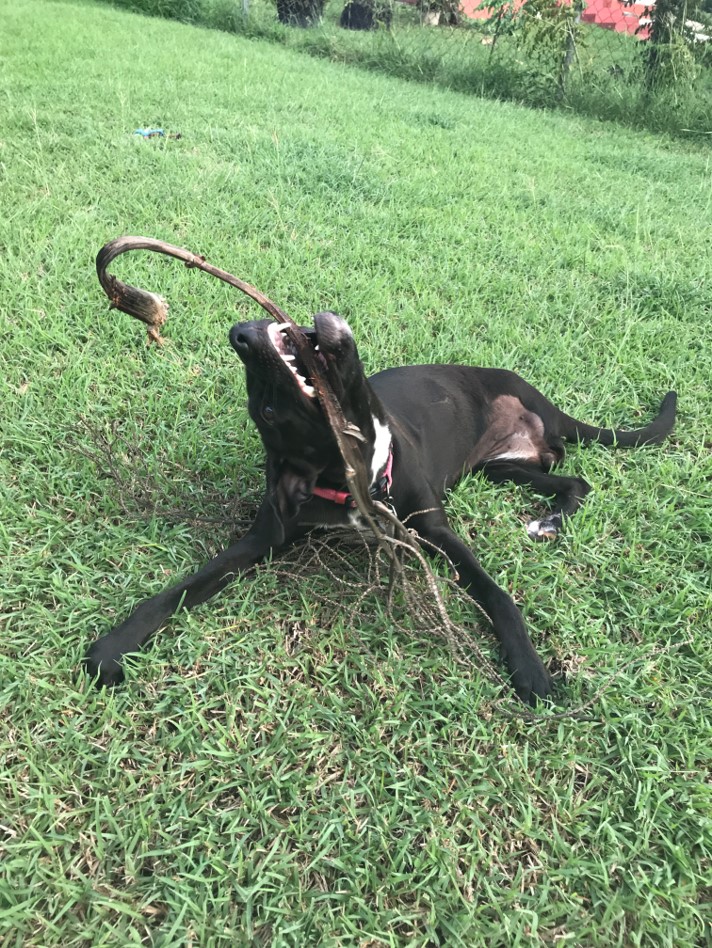
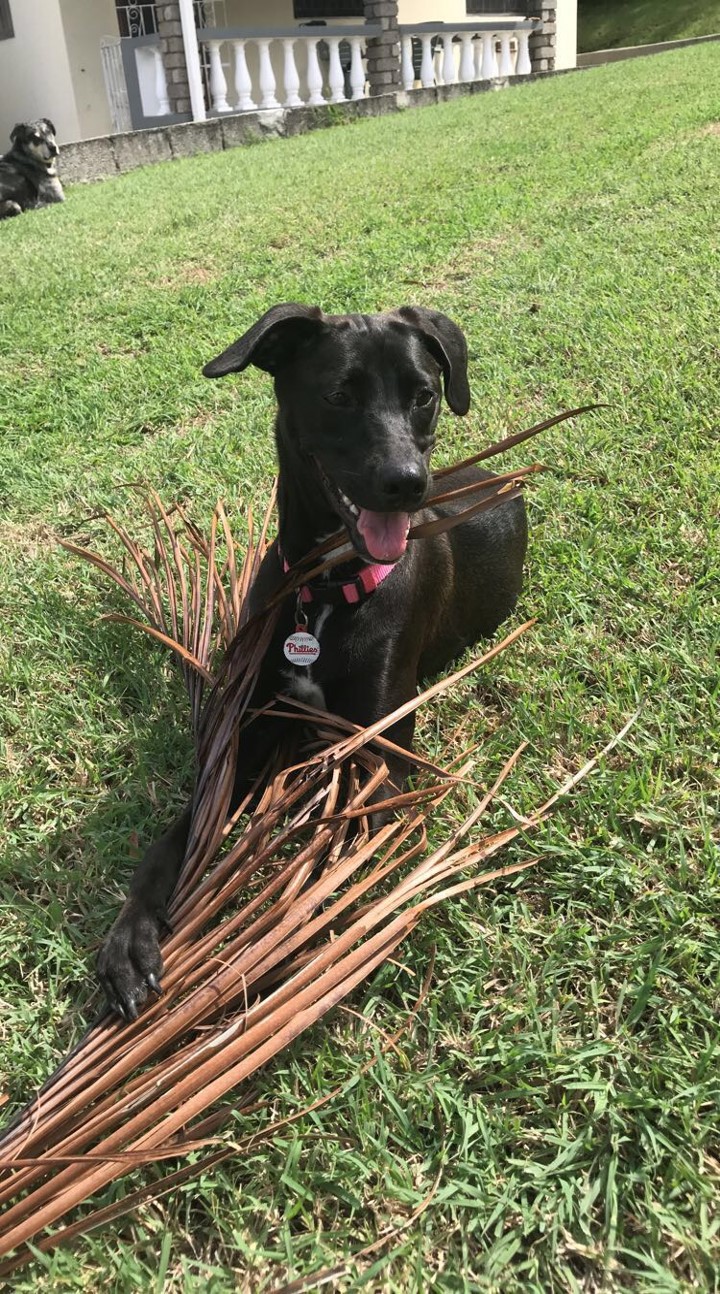
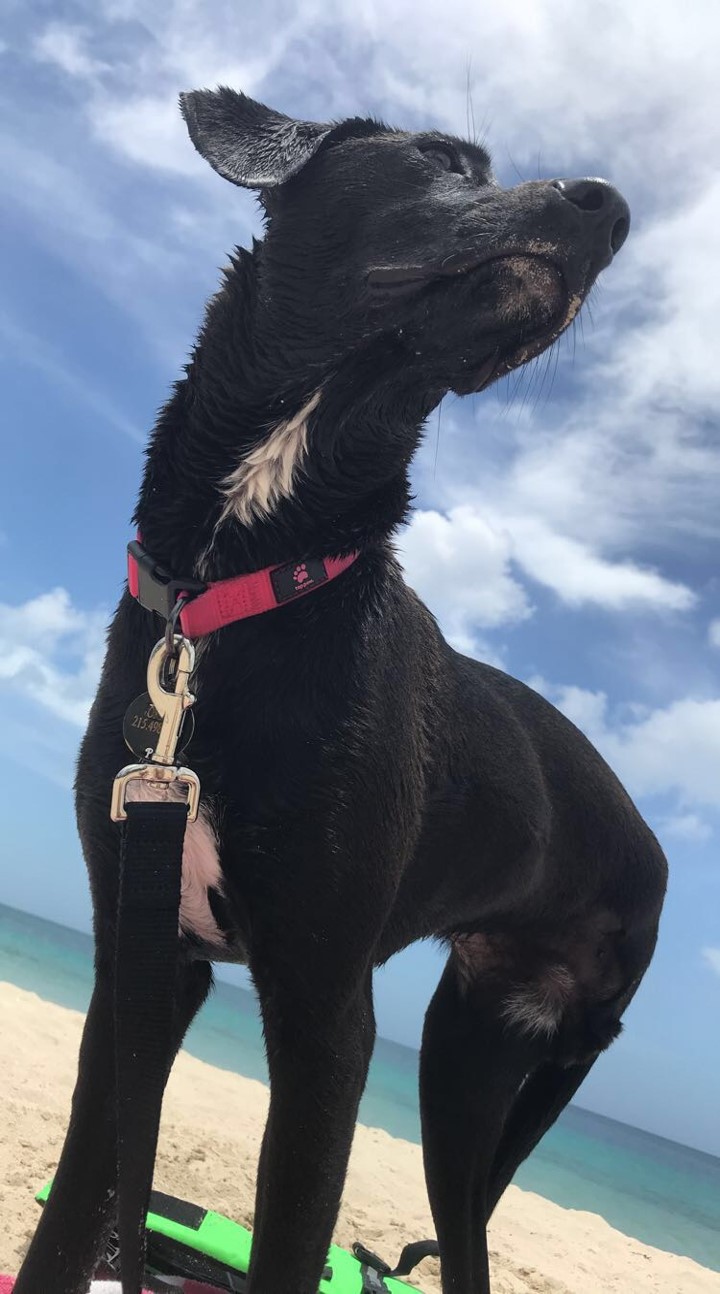
Thanks to Liz Wahl from North Carolina State University for the adorable photos of her dog, Jet!

"Jet is a crazy border collie boy who enjoys helping out whenever and wherever he can. He gets electroacupuncture treatments for back pain. He is now fortunate enough to get his treatments at home as I'm studying acupuncture through the Chi Institute."

Thursday
Nov222018

Abstract

Hmga2 inactivation suppresses the development of a melanoma phenotype in skin exposed to UVB light

Elizabeth S. Lavin, Leanne R. Donahue, Hyeongsun Moon, Luye An, Andrew C. White
College of Veterinary Medicine, Cornell University, Ithaca, NY 14853, USA (Elizabeth Lavin), Department of Biomedical Sciences, Cornell University, Ithaca, NY 14853, USA


Hmga2 is an architectural chromatin-remodeling factor that is upregulated in many cancers, including melanoma. Previous findings suggest that Hmga2 inactivation may prevent ultraviolet B (UVB)-mediated melanoma development, potentially through changes in inflammatory infiltration. Using murine models, we investigate the role of Hmga2 in skin exposed to UVB radiation to characterize environmental changes in Hmga2 -/- skin that may inhibit early melanomagenesis. We demonstrate that moderate acanthosis occurs in wild type skin within three days following UVB exposure, and loss of Hmga2 significantly attenuates this phenotype. Specifically, time course experiments demonstrate that expansion of the basal Keratin 5 (K5) and suprabasal Keratin 10 (K10) epidermal populations are markedly reduced in Hmga2-/- skin. These findings delineate the role of Hmga2 in modifying the cutaneous microenvironment in response to UVB exposure and in early melanoma formation.

Research Grant: NIH Training Grant
Student Support: Veterinary Investigators Program, Cornell University College of Veterinary Medicine


This abstract was submitted by Elizabeth Lavin from Cornell University. Thanks, Elizabeth!

Wednesday
Nov212018

Staggeringly Funny

Thank you to Sophie Cressman from The Ohio State University for the following submissions to the Foot in Mouth Disease section of our blog!


"Story time: I went to a fall festival today and waited in line with 5 year olds to get a free balloon 'for my little sister' that I fully intend to use during my anatomy study session of the lungs tonight."

Tuesday
Nov202018

Healing Hands

Check out these peaceful photos uploaded by Shanna Wong from North Carolina State University!

ReflectionsGolden Hour